
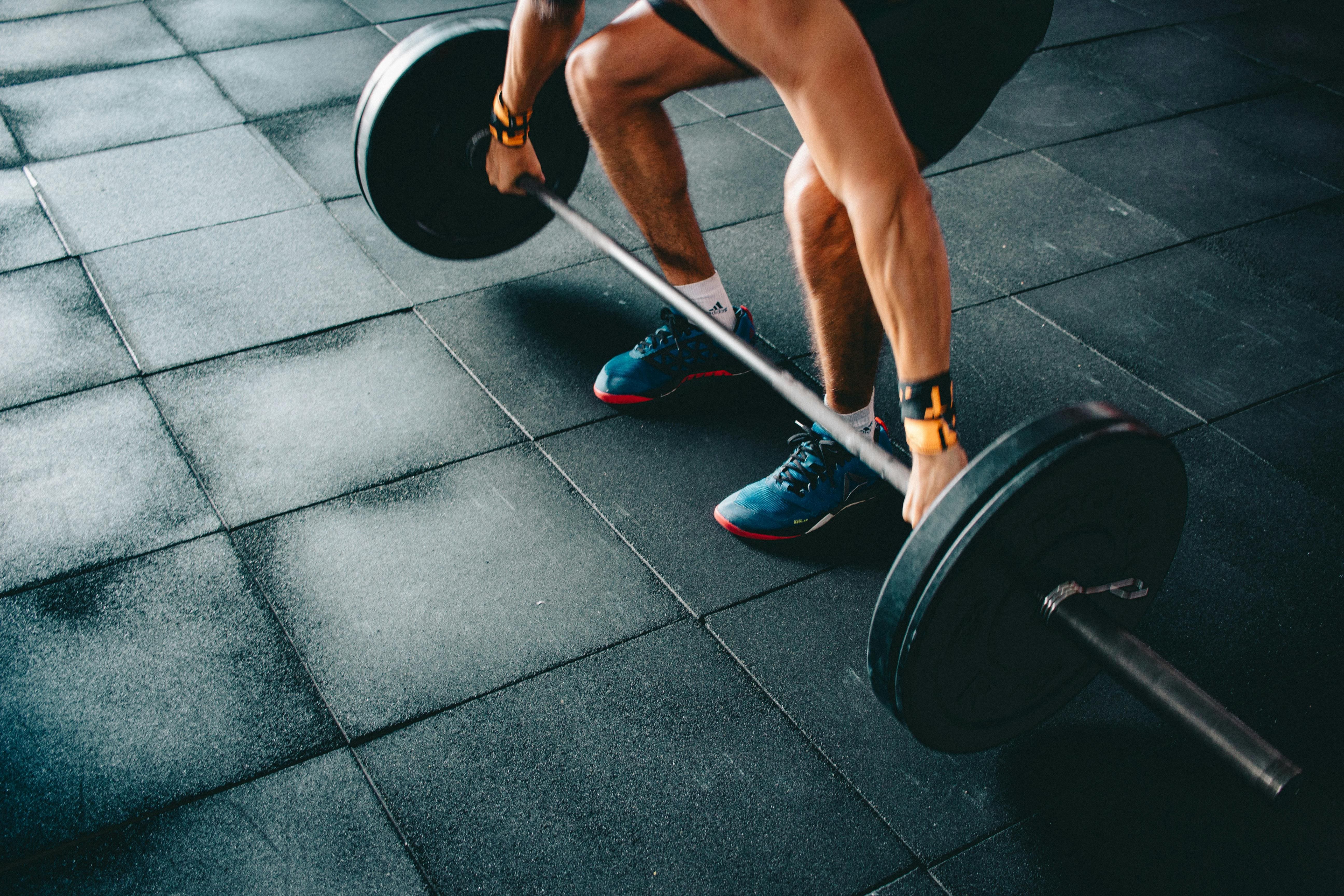
One of the most effective and powerful exercises that can be performed in the gym is deadlifts. They look simple at first glance, but once done correctly, they almost work your whole body. Simultaneously, deadlifts are known to cause lower back pain, mostly due to the fact that the majority of people perform them incorrectly or rush into heavy weights too quickly. The truth is that deadlifts are not dangerous by nature. In fact, when done in a proper manner, they can make your back stronger and protect you from injuries. This blog will explore the key advantages of deadlifts and how you can safely lift weights and enjoy the exercise without hurting your lower back.
A deadlift is a strength exercise in which one picks up a weight from the floor to standing position using hips and legs while keeping the spine in a straight position. It is considered a compound movement because it involves the movement of multiple joints and muscles together. Deadlifts may be performed using a barbell, dumbbells, kettlebells or even resistance bands. It makes them suitable for both beginners as well as advanced lifters.
Full Body Strength
Deadlifts work multiple muscle groups in one powerful movement. Your legs drive the lift, your glutes push the hips forward, your core makes the spine stable and your upper body controls the weight. This full body involvement makes deadlifts highly efficient for building overall strength.
Stronger Glutes & Legs
Deadlifts are good in strengthening the glutes and hamstrings. These muscles are vital for sporting activities and day to day tasks such as walking, climbing stairs and lifting objects. Glutes that are stronger also help support the lower back and improve movement efficiency.
Improved Core Stability
Deadlifts train the core to stabilize the spine under load rather than bend or twist. Your abdominal and lower back muscles work together to keep the body at a neutral position. Such core strength is highly practical and helps minimize the chances of lower back injuries.
Better Posture Support
Deadlifts strengthen the muscles that help maintain good posture including the glutes, hamstrings and upper back. These muscles usually become weak since many individuals spend a lot of time sitting. Consistent deadlifting helps you stand taller and move with better alignment.
Higher Calorie Burn
Deadlifts require more energy to perform as they engage large muscle groups. .This boosts the burnt calories during and after exercises. Deadlifts are especially beneficial for people who want to lose fat while still building strength and improving overall fitness.
Lower back pain during or after deadlifts usually happens due to improper technique and not because of the exercise itself. Rounding the lower back while lifting is one of the common mistakes. This places too much stress on the spine and increases the risk of injury. Another issue is lifting too heavy weight before mastering the correct form. When the weight is too much, the body compensates to this by using the lower back rather than legs and hips.
Back pain can also be caused by lack of mobility. Tight hamstrings, hips or ankles can restrict proper movement, which forces the lower back to bend more than it should. Weak core muscles might also not hold the spine and make it harder to maintain a neutral position during the lift.
Safe deadlifting begins with learning proper form. Start with your feet about hip-width apart and the weight positioned close to your shins. Bend at the hips and knees, not the lower back and hold the weight firmly. Before lifting, tighten your core like you would do when bracing for a punch. This creates stability and protects your spine.
When lifting the weight, focus on pushing the floor away with your feet instead of pulling the weight with the back. The weight or bar should be closely held to your body throughout the movement. Your spine must remain neutral from start to finish, and your chest must remain elevated. At the top of the movement, stand tall by squeezing your glutes, not by leaning backward.
Lowering the weight is equally important as lifting it. Push your hips back first, then bend your knees as the weight moves down. Controlled movement is useful in lowering stress on the lower back and reinforces good technique.
It is important to begin with lighter weights, particularly when you are not used to deadlifts. Form is something that you should master before you think about adding more weight. Using dumbbells or kettlebells can also be a good option for beginners, as they are easier to control than a heavy barbell.
A proper warm up can go a long way in helping to avoid lower back pain. Light cardio followed by dynamic movements can be used to boost the blood flow and get your muscles ready for lifting. Paying attention to hip mobility, hamstring flexibility and core activation can significantly enhance your deadlift performance.
It is also important to stretch tight muscles after your workout. It will help reduce stiffness and support recovery, which makes maintaining good form easier in future sessions.
We highly recommend to get a personal trainer to teach you the correct technique in person.
One of the most beneficial exercises that you can incorporate in your fitness routine is deadlifts. They develop complete body strength, enhance posture, strengthen the core and support everyday movements. With proper form, consistent practice and right weight selection, deadlifts may actually make your back stronger and more resilient. Approaching deadlifts with patience and focus on technique will not only help you lift more safely but also enjoy all the powerful benefits this exercise has to offer.