
Stretching is something which people do not give much attention to in the gym. However, it is important in enhancing performance, preventing injuries and ensuring that the body feels strong and mobile. Most individuals rush directly into weightlifting or cardio and step out of the gym without stretching. This practice often results in stiffness of the muscles, frequent aches and bad posture over time. Stretching does not need to be time consuming and complicated. A few simple movements done consistently will make a significant difference in the way your body feels and functions. This blog explores ten stretching exercises that every gym goer should practice regularly. These stretches are simple to understand, suitable for all fitness levels and effective whether you are cooling down or warming up.
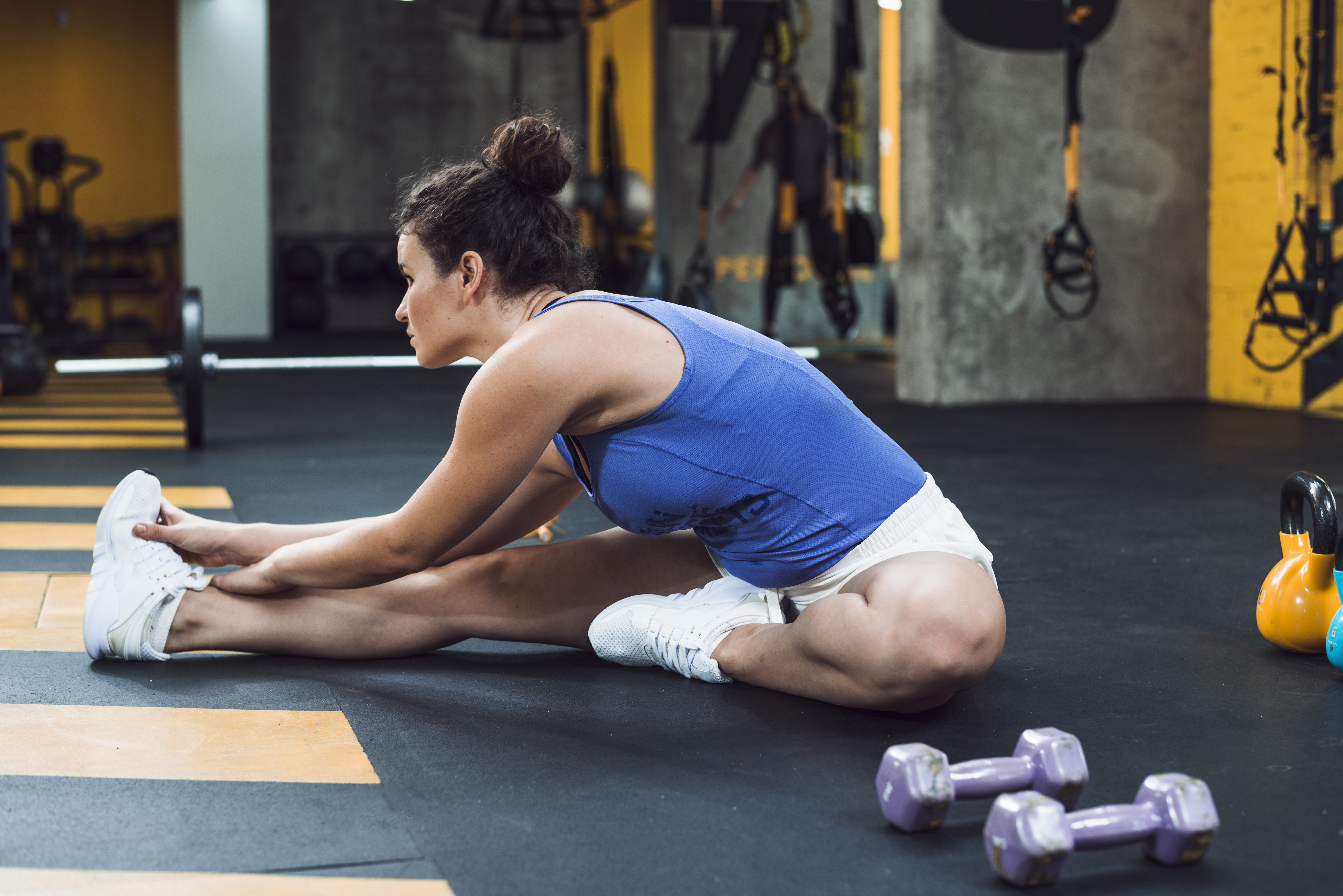
The hamstrings are one of the most used muscles during gym workouts, particularly during squats, deadlifts and running. When these muscles are tight, they can restrict movement and cause additional pressure on the lower back. In order to do a hamstring stretch, sit on the floor with one leg extended straight and the other bent inward. Slowly lean forward from the hips and reach toward the toes of the extended leg while keeping your back straight. Hold the stretch for twenty to thirty seconds and then switch legs. Practicing this stretch regularly helps improve leg flexibility and reduce stiffness after workouts.
The quadriceps are large muscles located at the front of the thighs and work intensely when performing cycling, lunges and leg presses. Tight quadriceps can influence the knee movement and the performance of the leg in general. To stretch them, stand upright and bend one knee, and then bring your foot toward your glutes. Hold your ankle gently while keeping your knees close together and your chest lifted. Hold this position for twenty to thirty seconds before switching sides. This stretch facilitates better movement of legs and helps relieve tightness after leg day.
The tightening of the chest muscles is a result of heavy pressing exercises and long hours of sitting. Tight chest muscles can pull the shoulders forward and influence posture. In order to do a chest opener stretch, stand straight and hold your hands behind your back. The arms should be raised slowly while pushing your chest forward and keeping your shoulders in a relaxed position. Hold this position for about twenty seconds. This stretch helps open the chest, makes breathing feel more comfortable during workouts and supports better posture.
Most of the movements in the gym involve shoulders, from lifting weights to performing push ups and pull ups. To stretch the shoulders, bring one arm across the chest and the other hand to gently pull it closer to your body. Do not shrug your shoulders or remember to keep your neck relaxed. Hold the stretch for twenty seconds on each side. This movement enhances shoulder mobility and reduces stiffness caused by repetitive upper body training.
The cat-cow stretch is great to warm up the spine and relieve tension in the back. Start with your hands and knees with your spine neutral. Slowly round your back upward while tucking your chin toward your chest, then repeat the same movement by dropping your belly down and lifting your hips and head. Move smoothly between these positions for ten to twelve repetitions. This stretch improves spinal flexibility and prepares the body for movement.
The tightness of the hip flexors is caused due to prolonged sitting and intense leg workouts. Tight hip flexors may result in lower back discomfort and limited mobility. In order to stretch them, kneel on one knee and push your hips forward while keeping your upper body upright. You should feel the stretch at the front of the hip on the kneeling side. Hold for 20-30 seconds and switch sides. This stretch supports better posture and enhances lower body movement.
The triceps are heavily used during pressing movements such as push ups and bench presses. To stretch the triceps, raise one arm overhead and then bend it such that your hand reaches toward your upper back. Gently push the elbow backwards using the other hand. Hold the stretch for 20-30 seconds before switching arms. This stretch helps keep the arms flexible and reduces tension after upper body workouts.
Calf muscles are active during walking, running and lower body exercises. Tight calves may restrict the movement of the ankles and affect balance. To stretch the calves, stand facing a wall and place one foot behind you. Press the back heel into the floor while leaning forward slightly. Hold the stretch for twenty to thirty seconds and then switch sides. This stretch enhances ankle mobility and helps reduce muscle tightness.
The glutes are significant in terms of strength and stability, yet they can become tight after heavy lifting. One can easily stretch them by lying on the back and crossing one ankle over the opposite knee. Gently pull the lower leg toward your chest until you feel a stretch in the hip and glute area. Hold for anywhere between twenty to thirty seconds before switching sides. This stretch helps release lower body tension and supports better hip movement.
The lower back supports many gym exercises and daily movements. To stretch it, lie on your back and pull both knees closer to your chest. Rock gently side to side while maintaining relaxed shoulders on the floor. Hold this position for 20-30 seconds. This stretch helps ease stiffness and promotes relaxation after intense workouts.
Stretching plays an important role in maintaining a good posture, increasing flexibility and mobility, enhancing athletic performance, reducing muscle pain and preventing injuries. When stretching becomes part of your regular gym routine, your body moves more freely and recovers more efficiently. You can feel less aches, better performance during workouts and improved overall comfort in daily activities over time.
Stretching is not a complex procedure that requires specialized skills or extra equipment. The only thing it requires is consistency. The 10 stretching exercises we discussed in this blog are easy, effective and suitable for every gym-goer. Whether you stretch before or after your workout sessions, making time for these movements will help your body stay strong, flexible and ready for the next session. Stretching is not an additional thing to include in your fitness journey- but a necessity.
If you are ready to take your recovery, performance and mobility to the next level, find your perfect fitness center at GymScope, where expert guidance, stretching routines and proper warm ups are built into every workout experience.